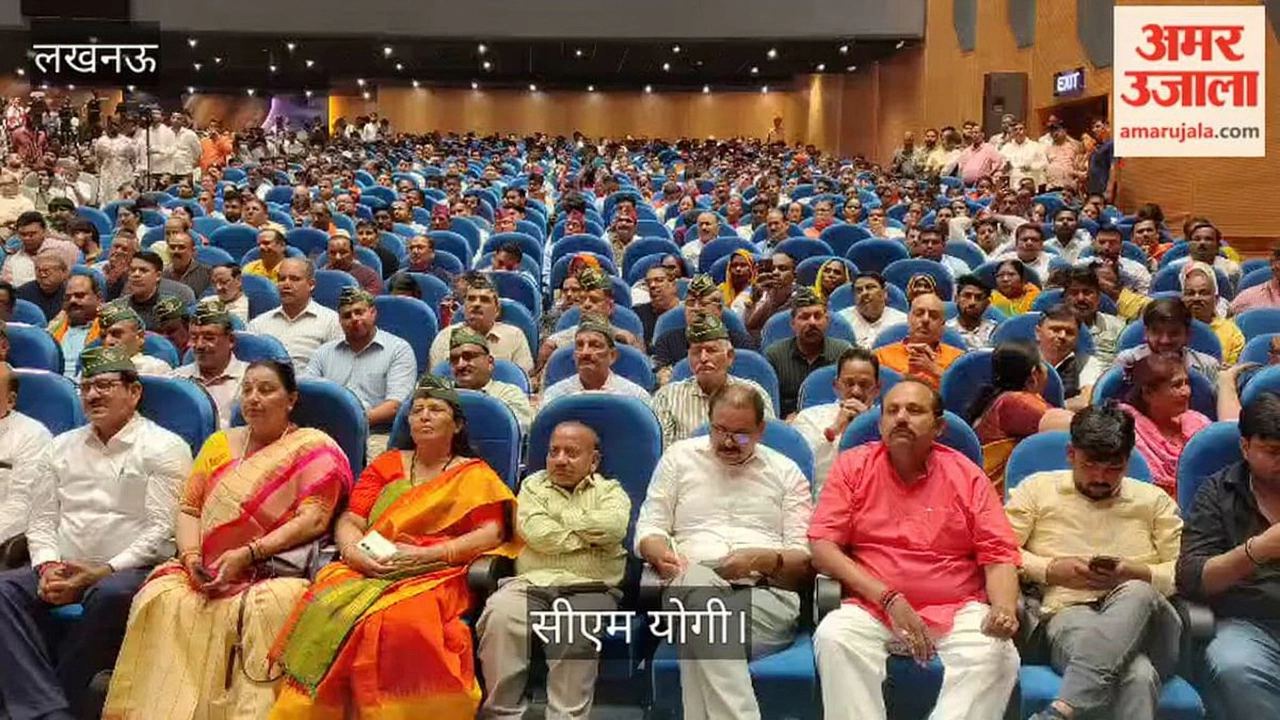
When Yogi Adityanath, Chief Minister of Uttar Pradesh, was asked about the state’s worsening electricity shortages this week, he didn’t just blame technical glitches. He went straight for the jugular, pointing a finger at his political rivals and invoking a vivid, if controversial, image from the past: residents drying their laundry on electric wires because power cuts were so frequent.
The remark came during a heated exchange in Lucknow, the capital of India’s most populous state, where temperatures have been soaring and grid instability has left millions frustrated. Here’s the thing—this isn’t just about kilowatts. It’s a classic political counter-punch aimed squarely at the Samajwadi Party, which has been loudly criticizing the current administration over rolling blackouts.
The 'Drying Clothes' Controversy
Yogi’s comment wasn’t subtle. "Those who are raising fingers at the energy crisis are the same people whose tenure saw people drying clothes on electric wires," he said, according to reports from NDTV India. He argued that under the previous Samajwadi Party government, power supply was erratic, with some districts getting electricity only one week at night and others the following week. "Sometimes it was day, sometimes night," he added, painting a picture of chaotic infrastructure management.
But wait—the opposition isn’t buying it. Critics argue that comparing today’s heatwave-induced strain to historical anecdotes is a deflection tactic. The reality on the ground is that households across Uttar Pradesh are facing unpredictable outages, often lasting several hours, despite assurances of stability. For many, the debate over who did what five years ago feels distant when the fan stops spinning in 40-degree Celsius heat.
Government's Stance: Full Supply Claimed
Despite the visible frustration among citizens, the Chief Minister maintained that the state is providing full power supply. "I have personally reviewed the situation," Yogi stated, emphasizing that he had held review meetings with department heads. His message was clear: the machinery is working, but external factors and perhaps even internal negligence need addressing.
He also shifted some responsibility onto the public. "It is not just the Power Corporation’s duty; every citizen must stand with them during this crisis," he said. This call for collective responsibility is interesting—it suggests the government sees consumer behavior or reporting delays as part of the problem. Whether ordinary residents can actually influence grid load in real-time remains a point of contention among energy experts.
Administrative Actions Underway
Behind the rhetoric, there appear to be concrete steps being taken. Reports indicate that Yogi has issued directives for 24-hour power supply where possible and warned officials against negligence. "Action will be taken against carelessness," one news snippet noted, suggesting that accountability measures are being tightened within the bureaucracy. If true, this could mean stricter penalties for utility workers or engineers failing to maintain lines—a move that might speed up repairs but also raises questions about workload pressures on frontline staff.
Opposition Fires Back
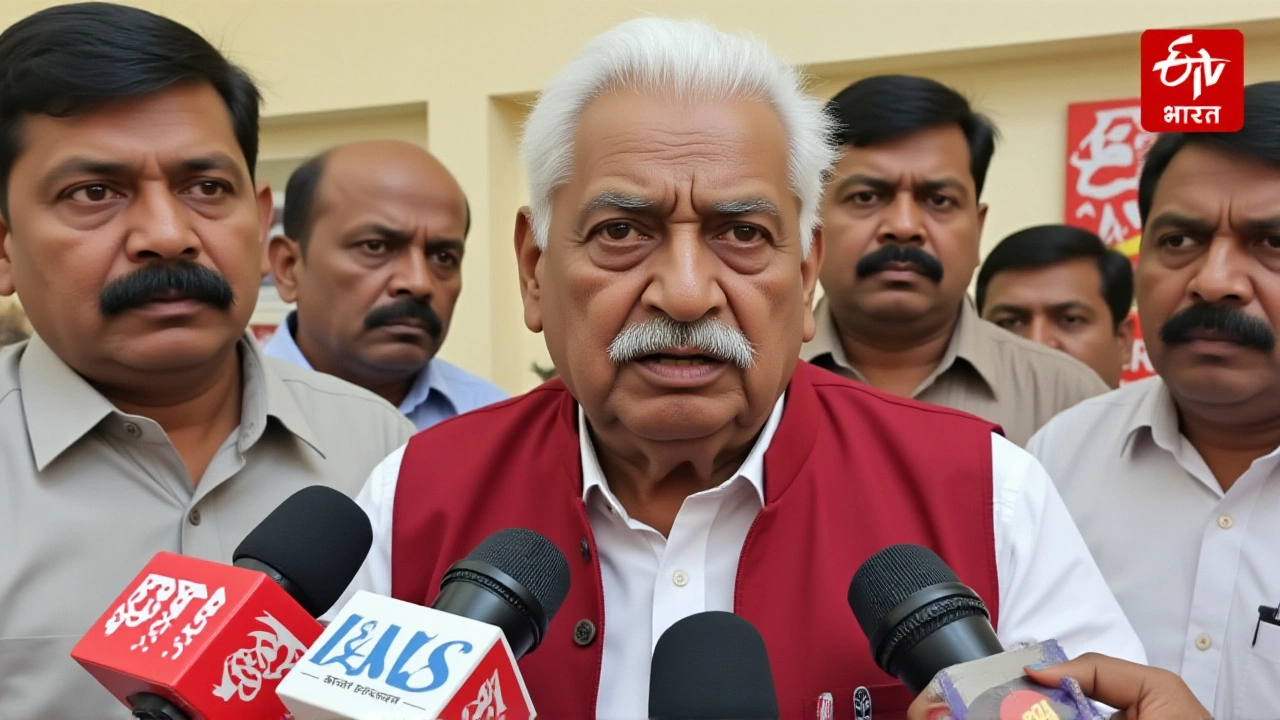
The Samajwadi Party and the Congress party have seized on the power cuts to question the BJP-led government’s competence. Akhilesh Yadav, leader of the opposition in the state assembly, has been vocal about the issue, though specific policy alternatives haven’t yet emerged from his camp. Instead, the focus remains on highlighting the contrast between campaign promises and current realities.
Interestingly, dissent isn’t limited to the opposition. An ABC Live report hinted at internal friction, mentioning a leaked letter from a minister complaining directly to Yogi about power issues. While details remain scarce, such leaks suggest that even within the ruling coalition, patience is wearing thin. When insiders start speaking out, it usually signals deeper systemic problems than mere seasonal stress.
Why This Matters Beyond Politics
Beneath the partisan bickering lies a critical infrastructure challenge. Uttar Pradesh contributes significantly to India’s agricultural output and industrial base, both heavily dependent on reliable electricity. Prolonged disruptions affect crop irrigation, small manufacturing units, and daily life for over 200 million people. The timing is particularly sensitive, coinciding with peak summer demand when solar generation alone cannot meet the load.
Energy analysts note that while renewable sources are expanding, baseload capacity—especially coal-fired plants—must operate efficiently to prevent shortages. Any delay in maintenance or fuel supply can trigger cascading failures. So, whether the root cause is aging transmission lines, insufficient generation, or poor distribution management, the solution requires more than political blame games.
What’s Next?
In the immediate future, watch for official statements from the Uttar Pradesh Power Corporation regarding planned versus unplanned outages. Transparency here could help calm public anger. Additionally, monitor any disciplinary actions against officials cited for negligence—if implemented consistently, they may restore some trust in the system.
Longer term, the state needs to invest in smart grid technology and decentralized energy solutions like rooftop solar subsidies. Without structural upgrades, similar crises will likely recur every summer. And politically? Expect this issue to dominate local discourse until the monsoon brings relief—or until the next election cycle heats things up again.
Frequently Asked Questions
Who is blaming whom in the UP power crisis?
Chief Minister Yogi Adityanath is accusing the former Samajwadi Party government of leaving behind weak infrastructure, citing anecdotes like people drying clothes on wires due to frequent cuts. Meanwhile, the Samajwadi Party and Congress are blaming the current BJP administration for mismanagement and inadequate preparation for summer demand spikes.
Is there evidence supporting the claim that people dried clothes on electric wires?
While no official statistics confirm widespread use of power lines for laundry, anecdotal reports and media coverage from earlier periods suggest extreme power instability existed. However, using this imagery today serves more as a rhetorical device than verifiable data, making its factual basis difficult to assess objectively.
What steps has the government taken to address the shortage?
The government claims to have ordered 24-hour power supply where feasible and initiated reviews of departmental performance. Officials have been warned against negligence, with promises of punitive action for those found responsible for avoidable outages. These measures aim to improve responsiveness and accountability across the power sector.
Are citizens expected to play a role in solving the crisis?
Yes, CM Yogi emphasized shared responsibility, urging residents to cooperate with the Power Corporation during emergencies. While individual conservation helps marginally, experts argue that large-scale solutions require infrastructure investment rather than relying solely on behavioral changes by consumers.
Could internal disagreements weaken the government’s response?
Reports of a leaked complaint letter from a minister hint at growing dissatisfaction within the ruling party. If unresolved, such tensions could hinder coordinated efforts to fix the grid, potentially prolonging the crisis and damaging public confidence in leadership effectiveness.