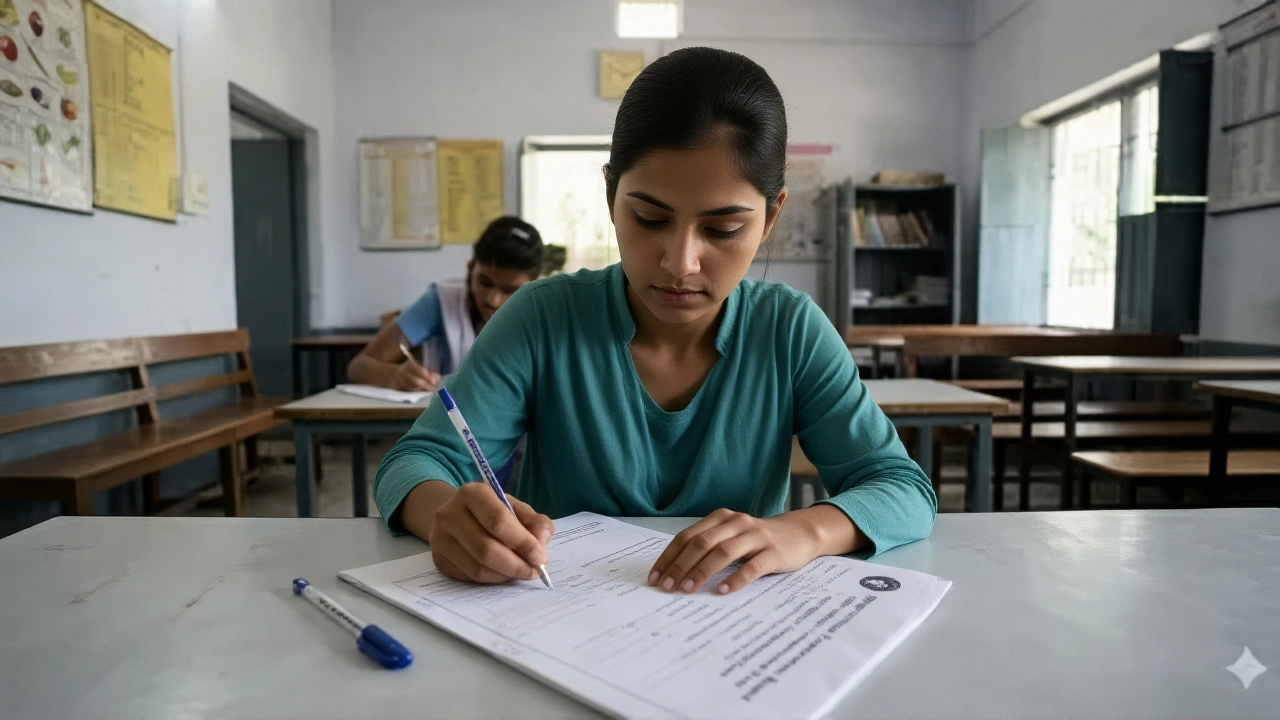
Time is running out for thousands of science aspirants across India. The registration window for the Joint Admission Test for Masters (JAM) 2026India is closing fast, with the final deadline set for October 20, 2025. Coordinated by IIT Bombay, this national-level entrance exam remains the primary gateway to prestigious postgraduate science programs at top-tier institutes.
If you’ve been waiting on the sidelines, now is the moment to act. Missing this window means waiting another full year for a chance to secure a seat in Master of Science (M.Sc.) or integrated PhD programs. Here’s everything you need to know about the fees, required documents, and the critical timeline ahead.
The Final Countdown: Registration Details
The application process officially kicked off on September 5, 2025. While some early reports suggested an earlier cutoff, the confirmed last date to submit your application form is October 20, 2025. This extension provides a crucial buffer for late starters, but don’t count on it lasting longer than that.
Candidates must register via the official JAM Online Application Processing System (JOAPS). It’s a straightforward digital process, but precision matters. You’ll need to create an account using a valid email address and mobile number before filling in personal and academic details. Once submitted, download the confirmation page immediately—consider it your digital receipt.
Application Fees: What You Need to Pay
The cost of entry varies based on your category and how many papers you plan to attempt. The fee structure is designed to be accessible while covering administrative costs. Here is the breakdown:
- One Paper: ₹1,000 for Female, SC, ST, and PwD candidates; ₹2,000 for all other categories.
- Two Papers: ₹1,350 for Female, SC, ST, and PwD candidates; ₹2,700 for all other categories.
Payments can be made via debit card, credit card, net banking, or UPI. If you make a mistake in your initial submission—whether it’s the wrong exam city, test paper, or category—you can correct it. However, there’s a price tag attached: a non-refundable correction fee of ₹300. This facility remains open until November 10, 2025.
Exam Structure and Key Dates
Mark your calendars for February 15, 2026. That’s when the computer-based test (CBT) takes place. The exam is split into two sessions: a forenoon shift from 9:30 am to 12:30 pm and an afternoon shift from 2:30 pm to 5:30 pm. Each session lasts two hours.
JAM 2026 features seven distinct test papers covering core scientific disciplines:
- Mathematics (MA)
- Biotechnology (BT)
- Chemistry (CY)
- Physics (PH)
- Geology (GE)
- Economics (EN)
- Mathematical Statistics (MS)
You have the flexibility to choose either one or two papers. The question types include Multiple Choice Questions (MCQs), Multiple Select Questions (MSQs), and Numerical Answer Type (NAT) questions. There is no negative marking for NAT questions, which changes the strategy significantly compared to traditional MCQ formats.
Documents You Must Have Ready
Before you start clicking buttons, gather these digital files. The portal will require specific formats, so ensure they are scanned clearly and meet size requirements:
- Class 10 Marksheet: Essential for verifying your date of birth.
- Passport-size Photograph: Recent, with a white background.
- Signature: Scanned in black ink on a white sheet.
- ID Proof: Aadhaar Card, PAN Card, Voter ID, or Passport.
- Category Certificate: Required for OBC-NCL, EWS, SC, or ST candidates.
- PwD Certificate: Unique Disability Identification (UDID) certificate if applicable.
Missing even one of these can halt your submission. Double-check your uploads before hitting ‘pay’.
What Happens After the Exam?
The journey doesn’t end on exam day. Admit cards are expected to be released in mid-January 2026 (sources vary between January 5 and January 13). Results typically follow in March, with declarations scheduled around March 19–20, 2026.
If you qualify, the real work begins. The last date to apply for the centralized admission counseling process is April 15, 2026. Seat allotment for Round 1 is tentatively set for May 25, 2026. This timeline allows participating institutes—including IISc Bengaluru and other IITs like Delhi, Madras, and Kanpur—to review applications and allocate seats based on merit and preferences.
Frequently Asked Questions
Can I change my exam city after registration?
Yes, but only during the correction window. You can modify your exam city, test paper, or category details by paying an additional correction fee of ₹300. This facility is available until November 10, 2025. After this date, no changes will be permitted.
Is there negative marking in IIT JAM 2026?
Negative marking applies only to Multiple Choice Questions (MCQs). For every incorrect answer in an MCQ, one-third of the marks allotted to that question are deducted. However, there is no negative marking for Multiple Select Questions (MSQs) or Numerical Answer Type (NAT) questions.
Which institutes accept IIT JAM scores?
The primary participating institutes include all Indian Institutes of Technology (IITs) and the Indian Institute of Science (IISc) Bengaluru. Other premier institutions like IISERs and NITs may also use JAM scores for specific admissions, but the central counseling primarily covers IITs and IISc for M.Sc., M.Sc. Tech, MS (Research), and integrated PhD programs.
When will the admit cards be released?
Admit cards for IIT JAM 2026 are expected to be released in January 2026. Sources indicate dates ranging from January 5 to January 13, 2026. Candidates should regularly check the official JOAPS portal for the exact release notification and download their hall tickets well before the exam date on February 15, 2026.